
Overview
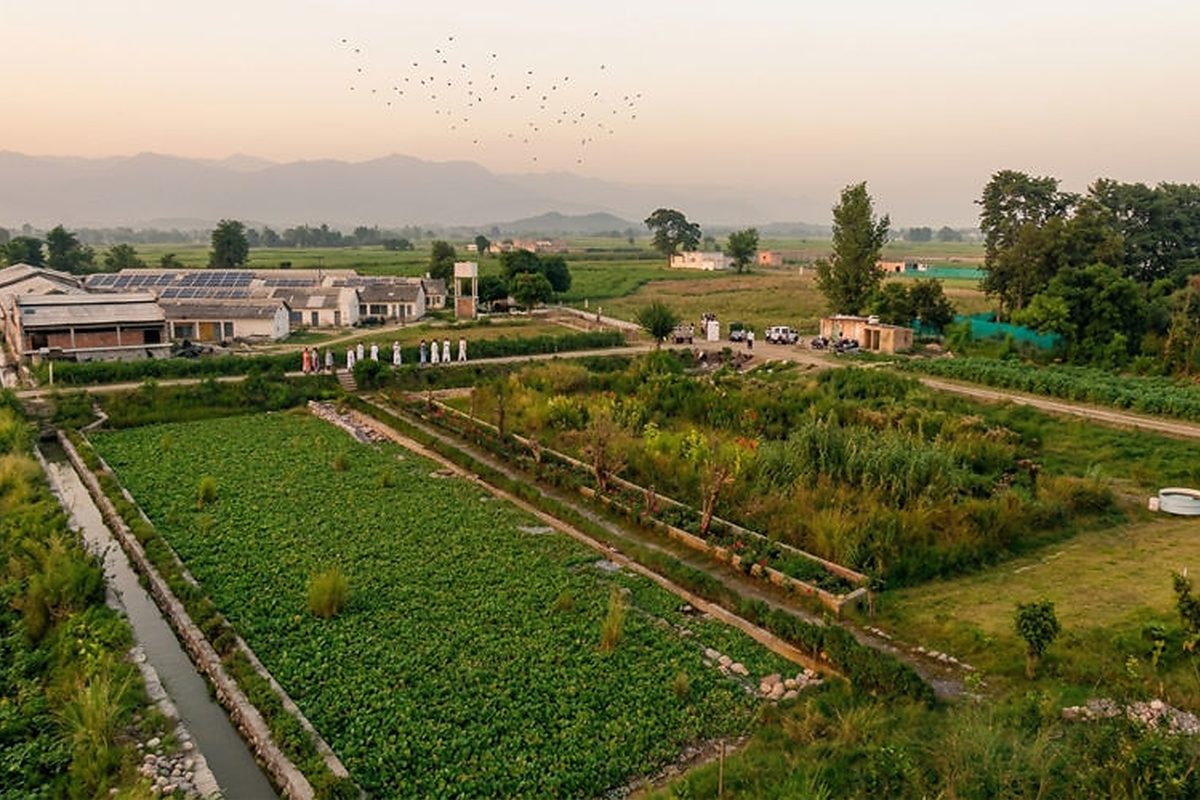
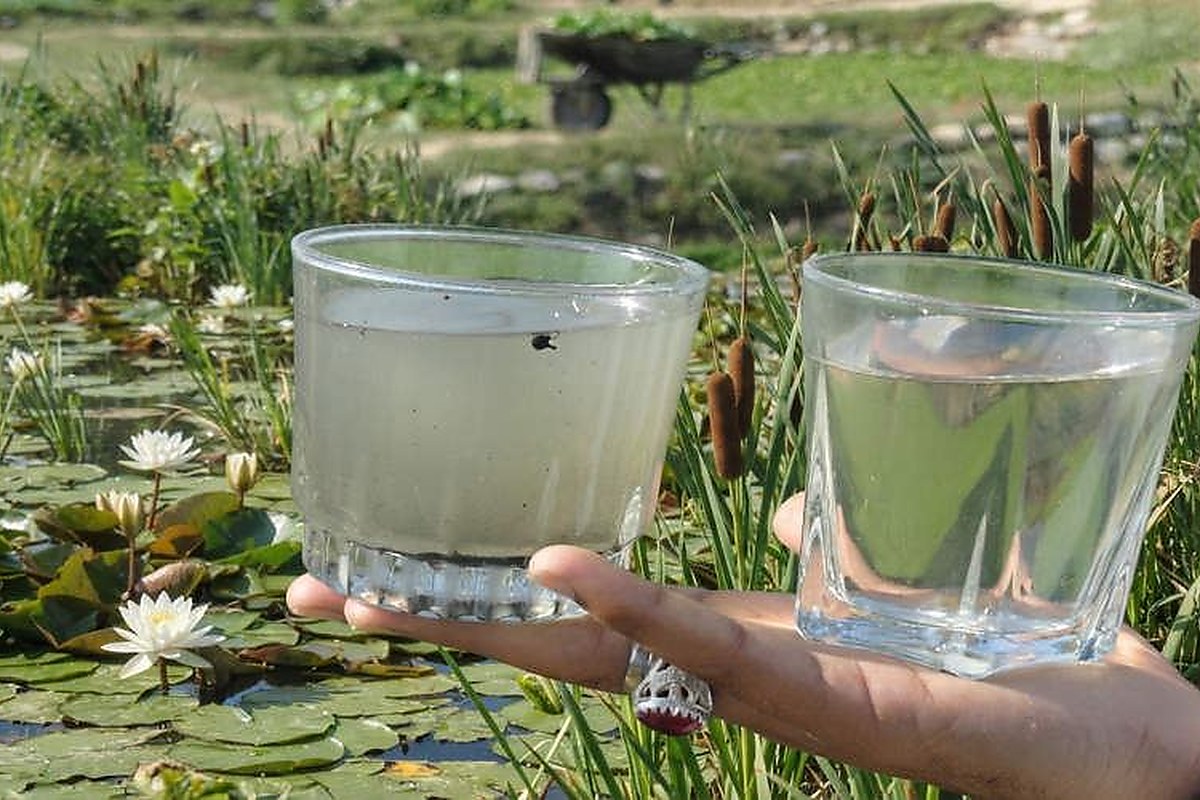
CG Constructed Wetlands™ encompass four types of nature-based treatment systems: Horizontal Sub-Surface Flow (HSSF), Vertical Flow (VF), Free Water Surface (FWS), and Floating Treatment Wetlands (FTW). These systems harness plants, media, and microbial communities to achieve effective BOD, TSS, nutrient, and pathogen removal with minimal energy. They can be designed as standalone systems or combined in hybrid treatment trains. Particularly valuable for housing societies, rural municipalities, sugar mill polishing, and agricultural reuse where land is available, energy cost is a concern, and long-term low-maintenance operation is a priority.
Working Principle
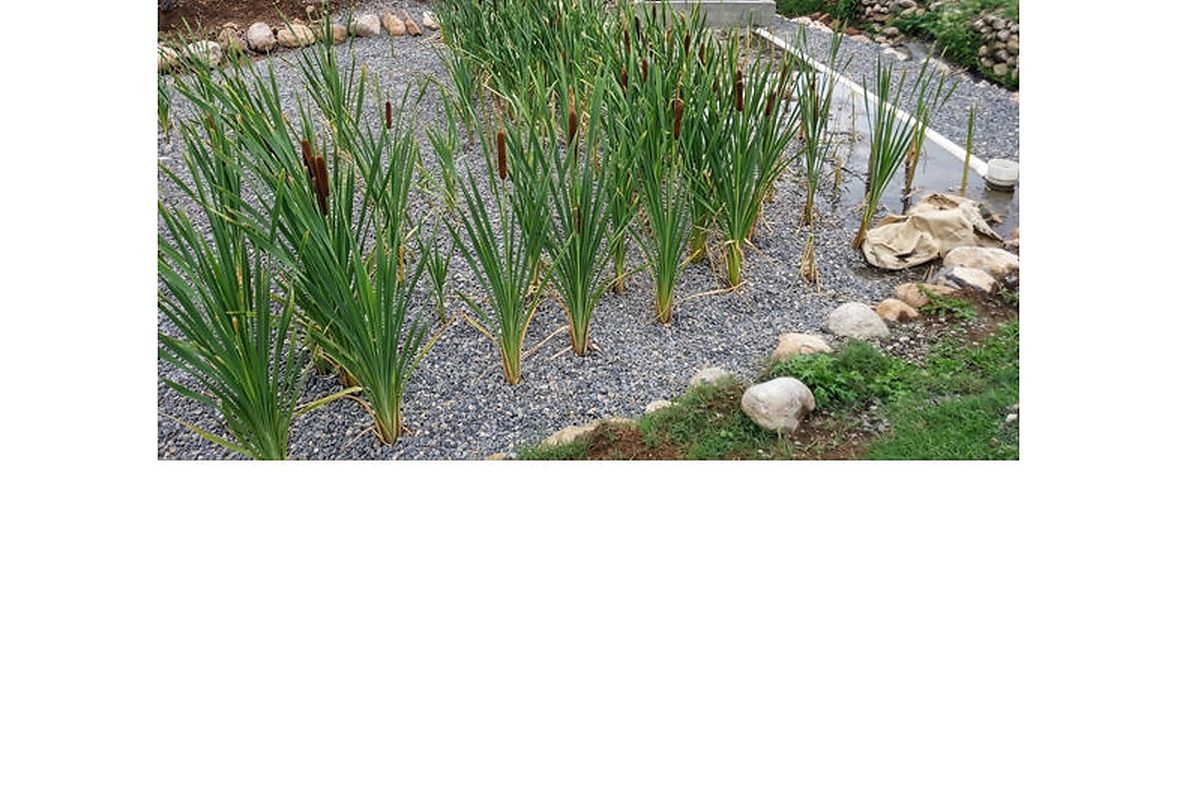
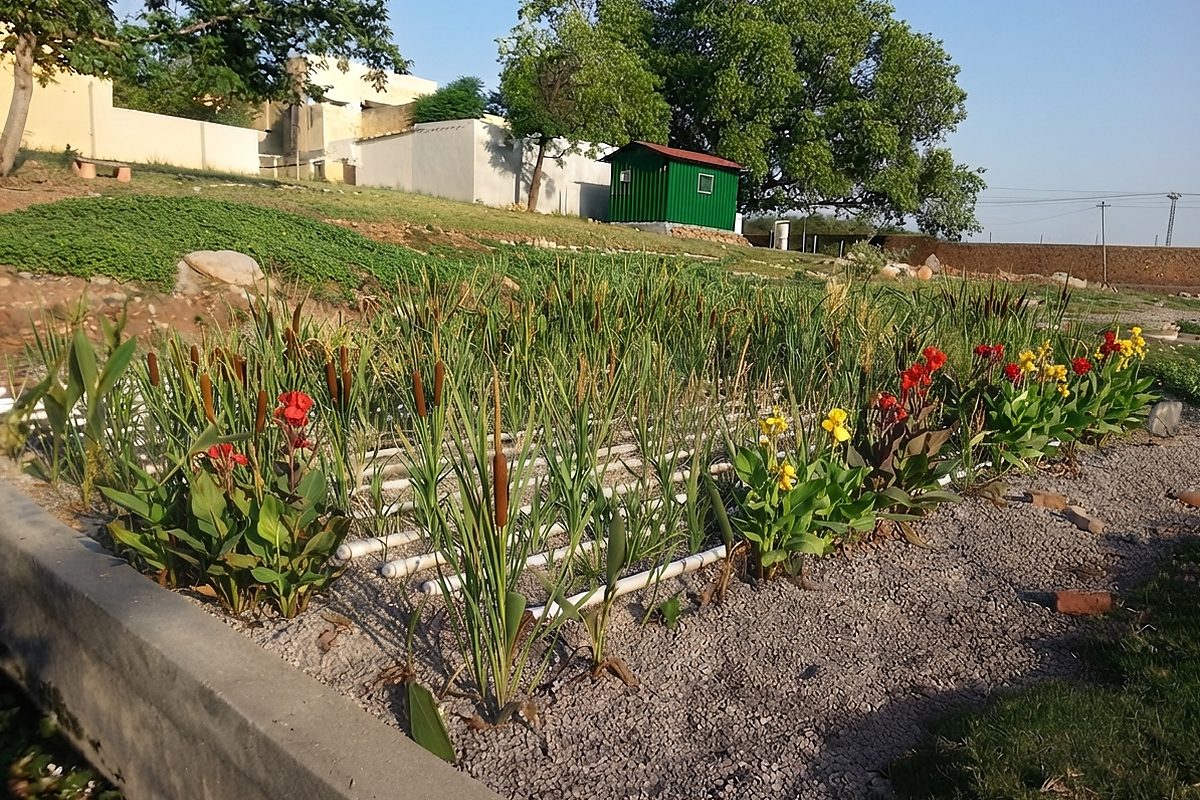
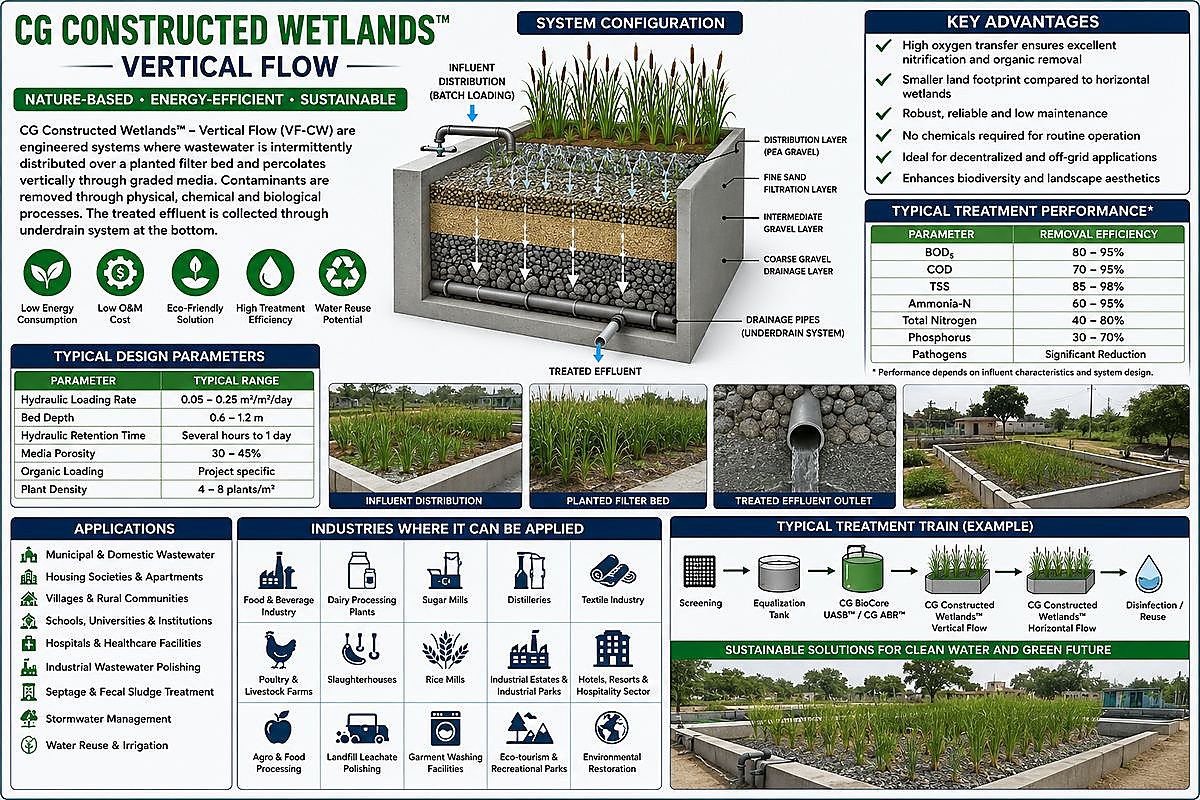
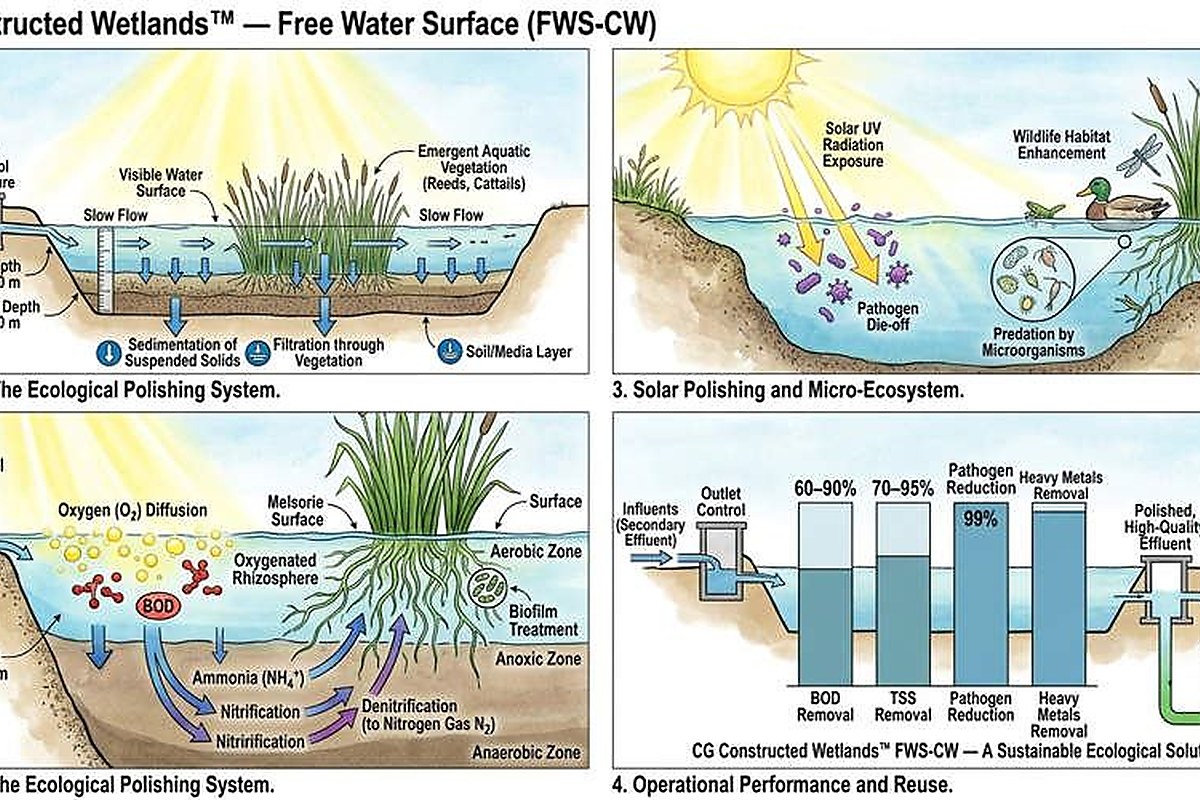
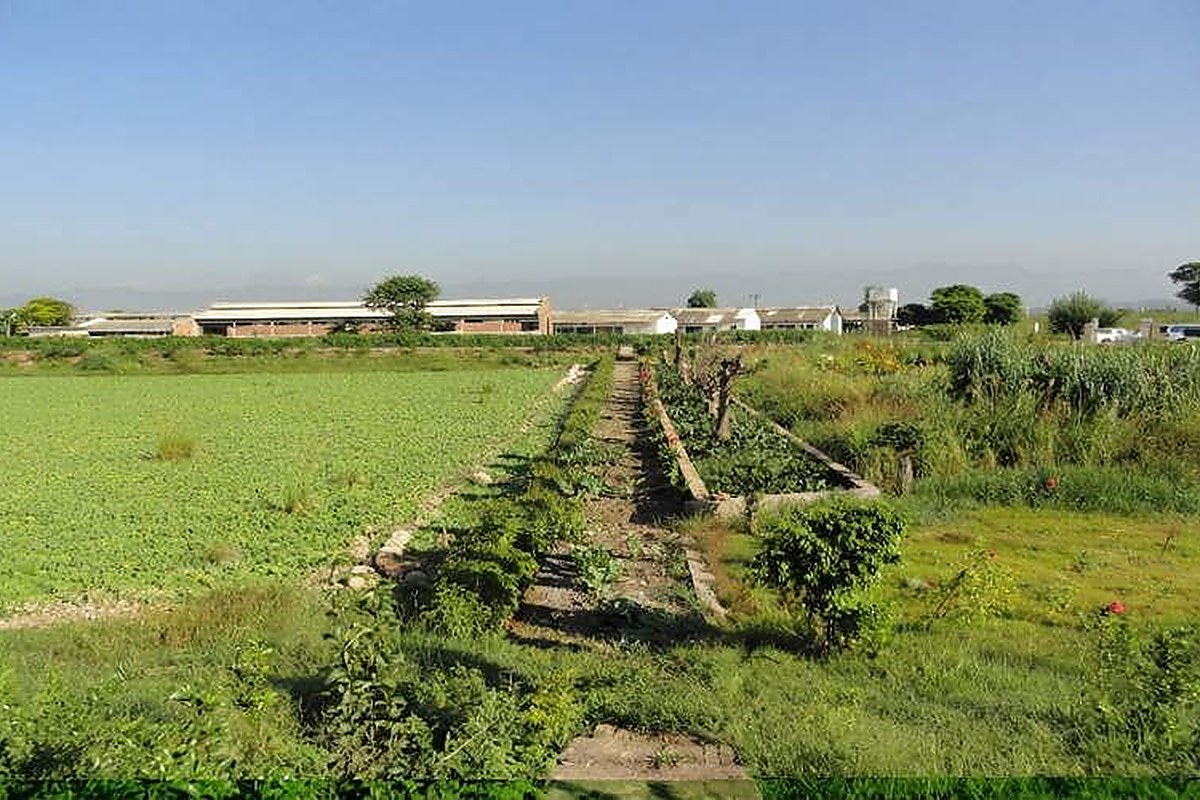
In HSSF wetlands, pre-treated wastewater flows horizontally through a gravel-filled bed planted with emergent aquatic plants (typically Phragmites australis — common reed). Anoxic microbial communities degrade organic matter and denitrify nitrogen. In VF wetlands, wastewater is intermittently loaded on the surface and percolates vertically through layered sand and gravel, creating aerobic conditions enabling nitrification. FWS wetlands channel wastewater as open flow through shallow basins with aquatic plants. FTW systems deploy buoyant modular planting rafts on existing water bodies, suspending plant roots directly into the water column.
Key Technical Features
- Four system types: HSSF, Vertical Flow, FWS, Floating (FTW)
- HSSF: zero energy, subsurface — no odour, no mosquito habitat
- VF: intermittent loading — nitrification capability
- FWS: open water, aquatic habitat, tertiary polishing
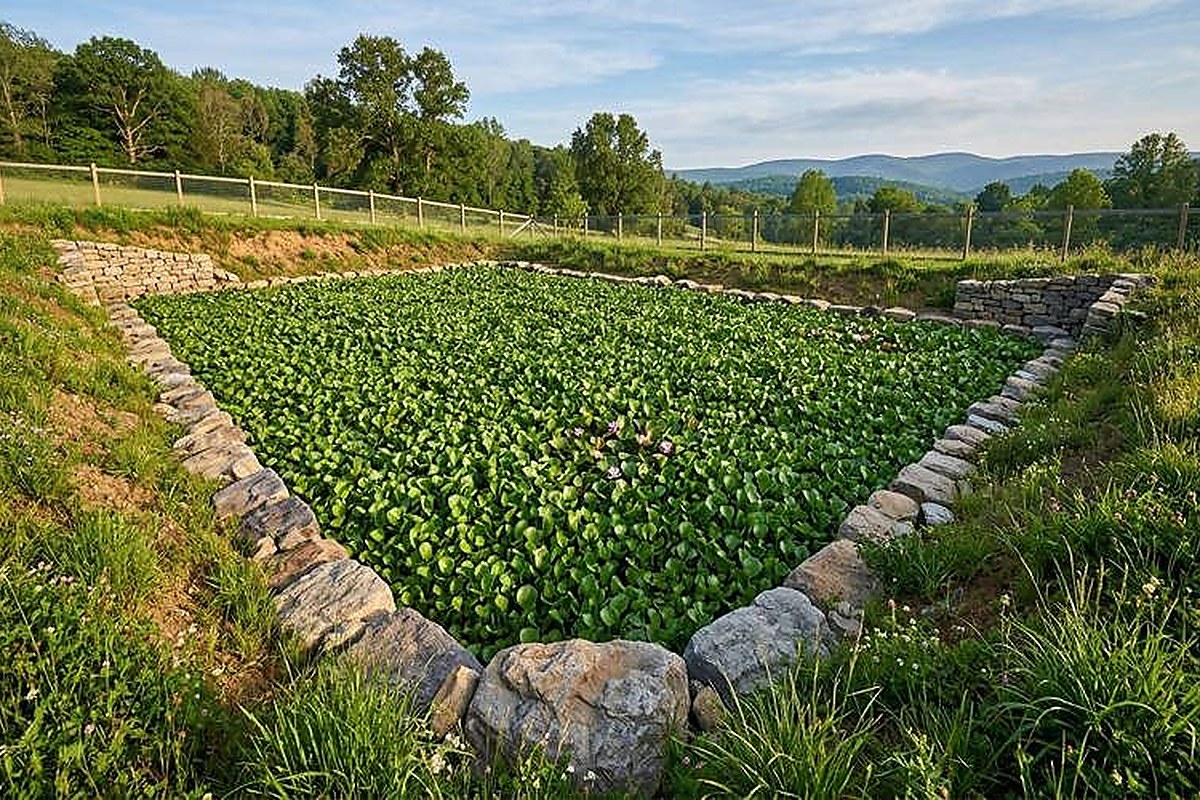
- FTW: retrofit to existing ponds and lakes
- BOD removal: 70–95% depending on configuration
- Combined nitrification (VF) + denitrification (HSSF) available
- Pathogen removal without chemical disinfection
- 25–30 year design life
- Gravity operation — zero energy for HSSF and FWS
- Creates landscape amenity and biodiversity habitat
- Phragmites australis, Typha, and native wetland species
Design Parameters
| Parameter | Value |
|---|---|
| Types | HSSF/VF/FWS/FTW |
| Flow Range | 20–5,000 m³/day |
| BOD Removal | 70–95% |
| NH₃-N Removal | 60–90% (VF stage) |
| HRT | 2–7 days HSSF |
| Media | Gravel 20–40 mm HSSF |
| Design Life | 25–30 years |
| Energy | Zero to Minimal |
Applications
- Municipal sewage polishing after ABR or primary settling
- Sugar mill effluent polishing
- Housing society sewage treatment (ABR+HSSF combination)
- Agricultural reuse — treated effluent for irrigation
- Hospital and institutional sewage treatment
- Stormwater management and phytoremediation
- Rehabilitation of contaminated ponds (FTW)
- Hotel and resort wastewater with landscape integration
Advantages
- Zero or minimal energy cost — lowest lifecycle operating cost
- No mechanical equipment to maintain in HSSF/FWS
- Creates green landscape and biodiversity value
- 25–30 year lifespan with minimal maintenance
- No chemicals required for treatment
- Natural carbon sequestration by wetland plants
- Suitable for communities with limited technical capacity
- Phytoremediation of heavy metals and micropollutants
Frequently Asked Questions
Request Technical Proposal for CG Constructed Wetlands™
Share your project details — our engineers will respond within 48 hours.